Reading the condition of your paint
Walk around the house before you ask for estimates. Note where paint is peeling, cracking in a pattern, chalking when you rub it, or blistering. Look at sills, porch floors, the tops of columns and the bottom few rows of siding. These spots tell a painter where water is getting in and how much prep the job will need.
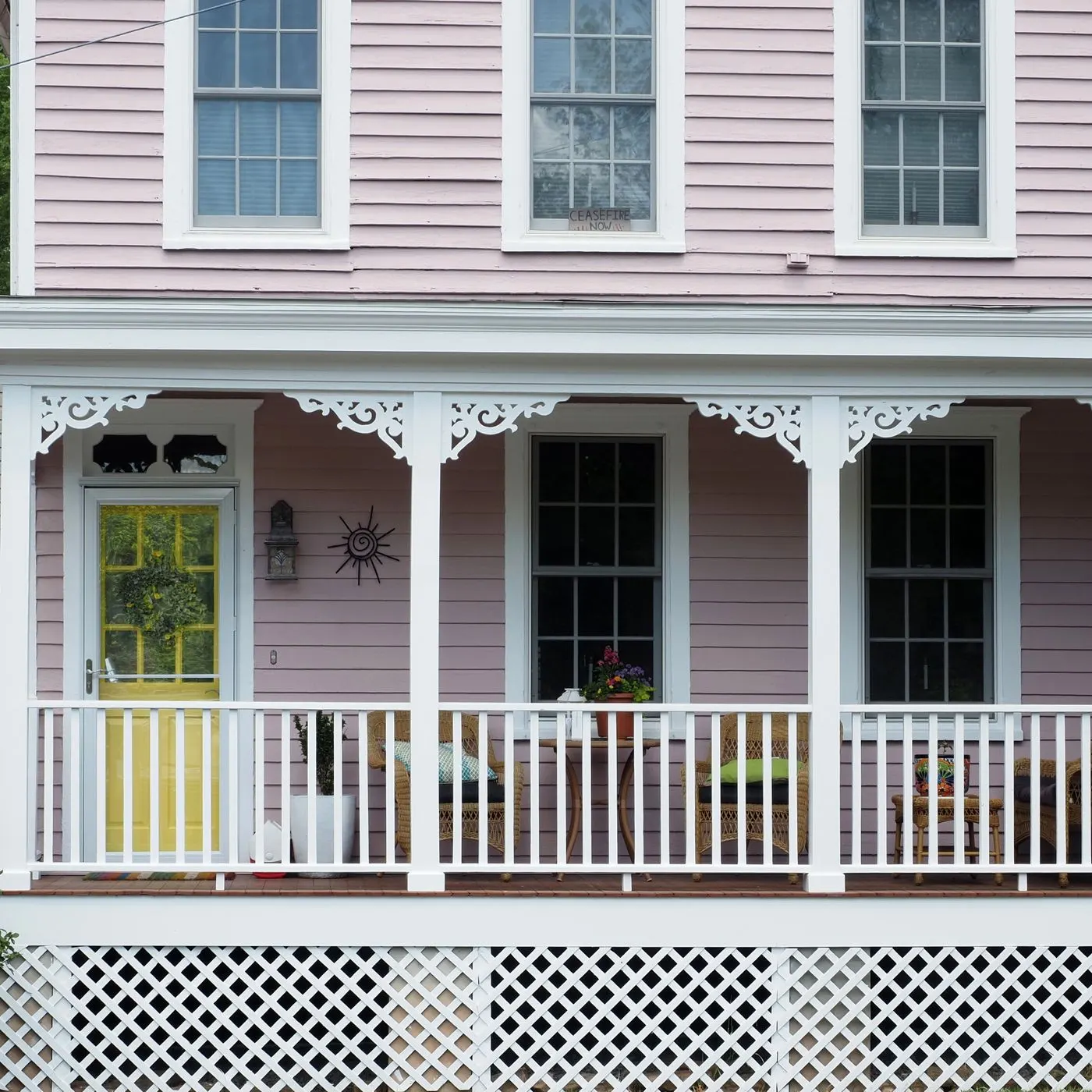
Prep on old wood
Good exterior work on an old house is mostly careful prep. Painters wash the siding and let it dry, scrape every loose edge, sand the edges smooth, replace or consolidate soft wood, prime bare spots and caulk joints that should be sealed. Old window sashes may need loose glazing putty replaced before paint.
- Wash and let surfaces dry
- Scrape and feather loose paint
- Repair rot in sills, trim and porch parts
- Reglaze or caulk where needed
- Prime bare wood, then two finish coats
Porches
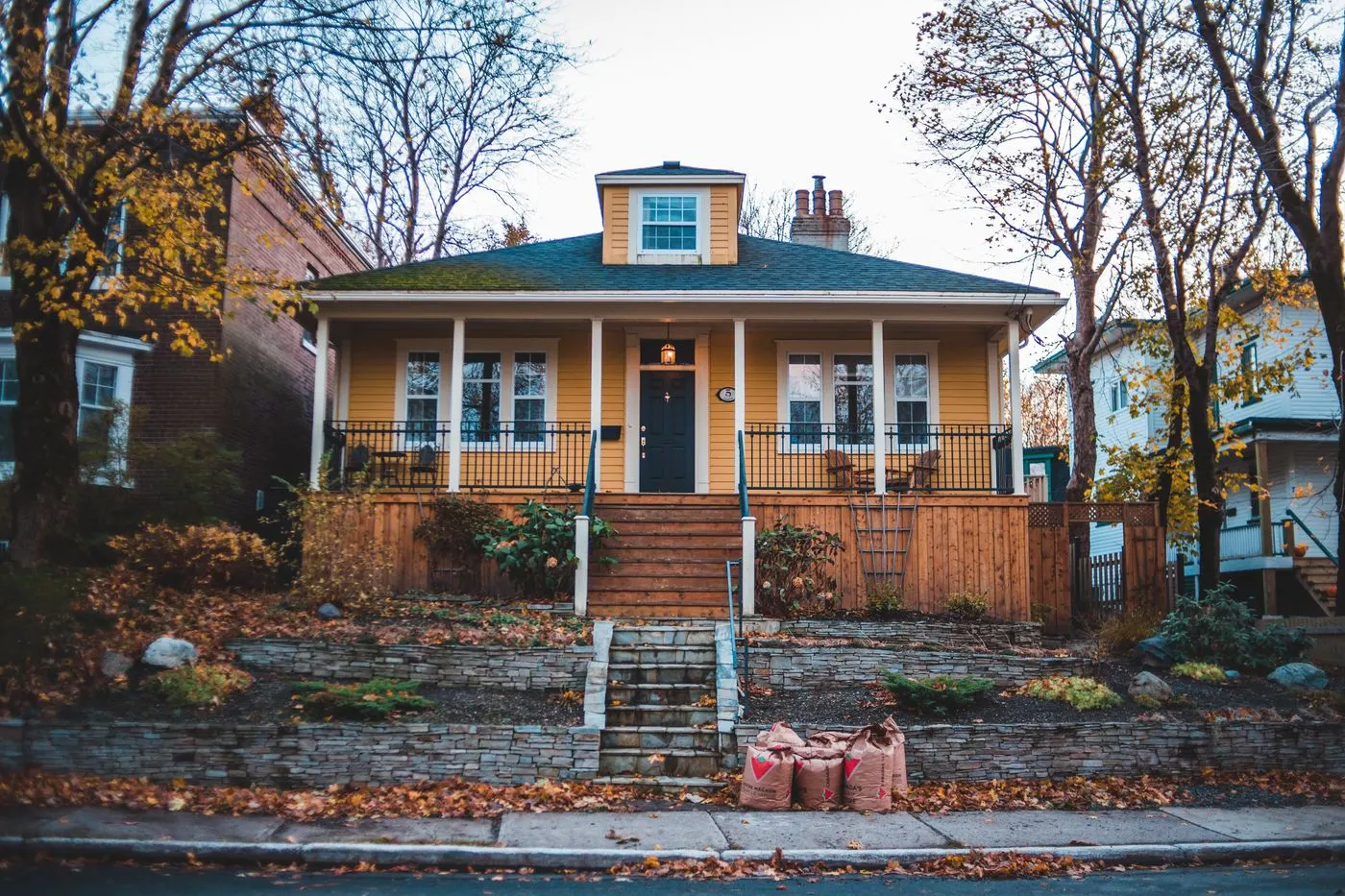
Porches get the hardest use of any painted surface on a house. Floors need a paint made for foot traffic, ceilings often have peeling caused by moisture, and railings and spindles need hand brushing. Many homeowners have the porch done as its own project between full repaints.
Lead and the yard
Exterior scraping on a pre-1978 house can spread paint chips into the soil around it. Under the EPA Renovation, Repair and Painting rule, paid contractors must be Lead-Safe Certified firms and use ground covers, contain debris and clean up daily. Ask how they will protect gardens and play areas.
Weather and scheduling
Most exterior work happens from late spring to early fall. Painters avoid damp mornings, rain and temperatures outside the paint label's range. River-facing walls on open hillsides can be windy, which affects spraying and ladder work.
Choosing colors for an older house
Color can bring out the details of an older home or flatten them. Many owners pick a body color, a trim color and an accent for doors and shutters, which highlights brackets, cornices and window surrounds. Paint makers publish historic color collections if you want a period look. Ask the painter to brush large samples on the siding so you can judge them in morning and evening light before deciding.
Typical exterior painting costs
Published ranges from This Old House.
| Job | Typical range |
|---|---|
| Per sq ft of home | $2.20 to $4.40 |
| Wood siding, per sq ft | $1.70 to $3.60 |
| Porch, per sq ft | $1.90 to $3.75 |
| Shutters, each | $115 to $235 |
| Exterior door, each | $165 to $330 |
National ranges from the published sources below, shown as a guide only. They are not quotes, and older homes in the lower Hudson Valley often cost more to paint.
Questions homeowners ask
Why is my porch ceiling peeling?
Moisture is the usual cause, from a roof leak, condensation or poor ventilation. The cause should be fixed before repainting, or the new paint will peel too.
Should old windows be painted shut?
No. A careful painter keeps sashes operable by cutting paint lines and working the windows after painting. Mention any windows that already stick.
Can only the porch be painted?
Yes. Many painters take porch-only jobs, and it is a common way to keep an older house in good shape between full repaints.
Do painters replace glazing putty?
Many do, as part of window prep on older sashes. Loose or missing putty lets water in around the glass. Ask whether reglazing is included in the estimate or priced per window.
Other services
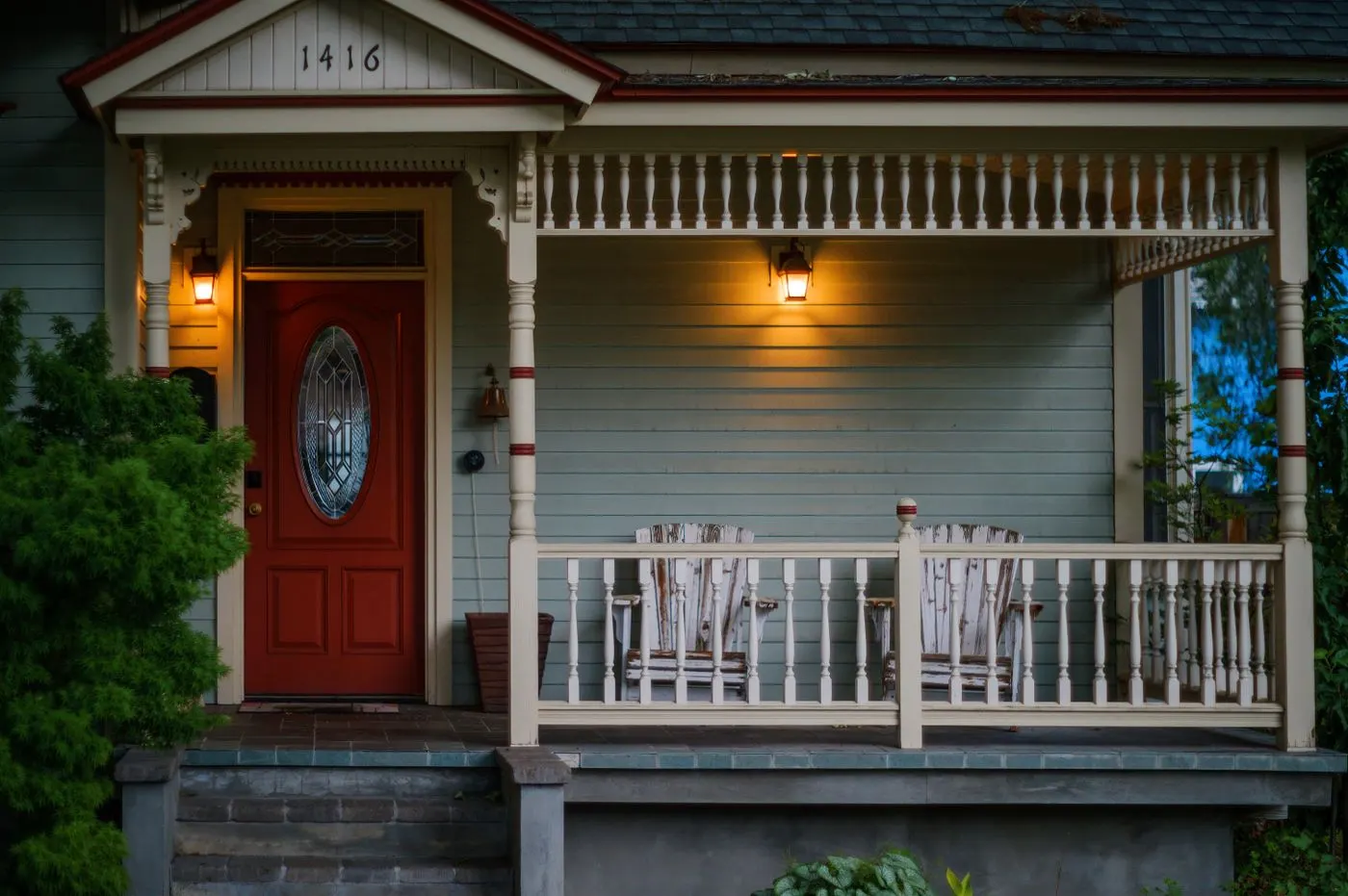
House painting
Full repaints for historic and newer homes alike.

Interior painting
Plaster walls, ceilings, trim and doors.
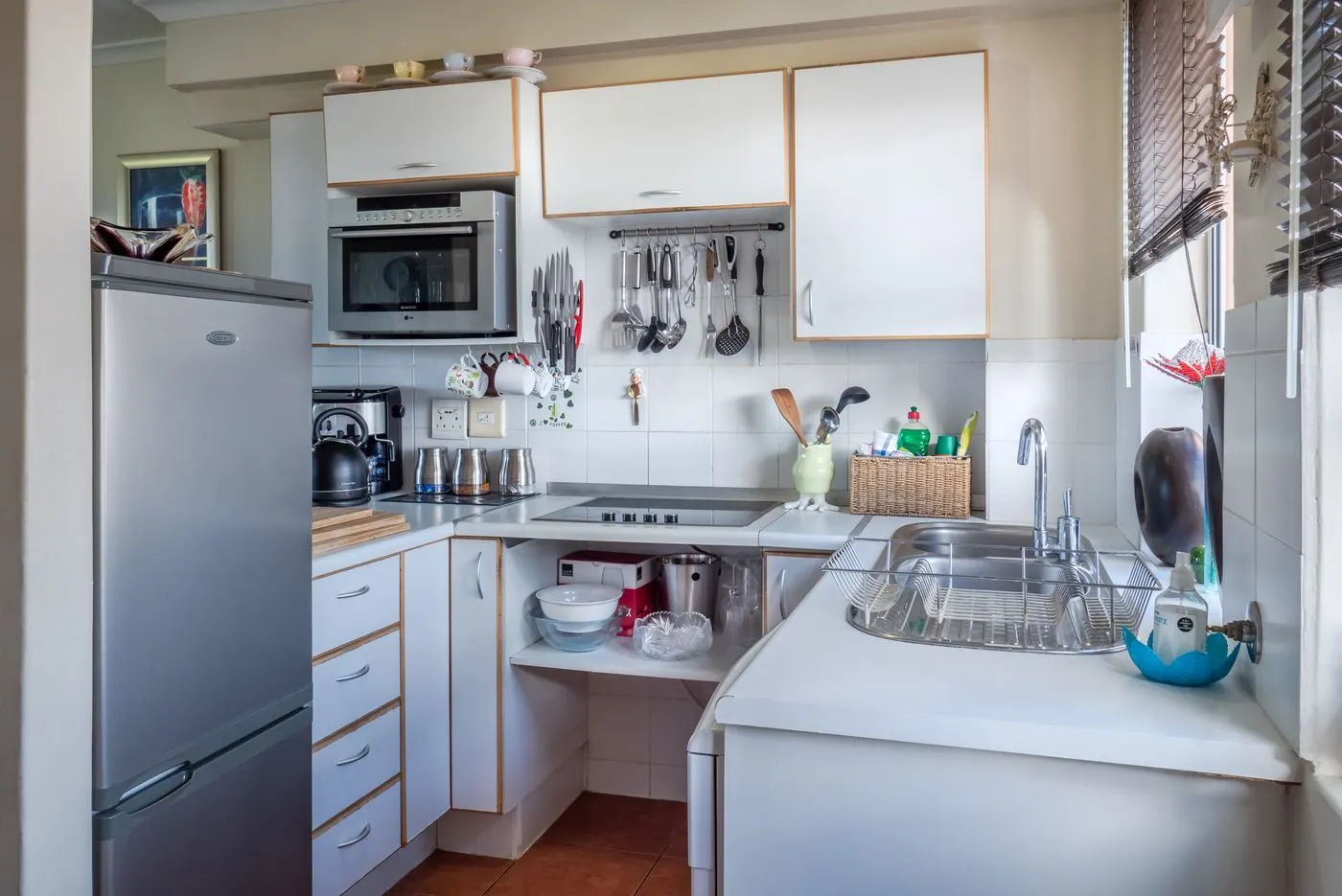
Kitchen cabinet painting
Paint solid cabinets instead of replacing them.
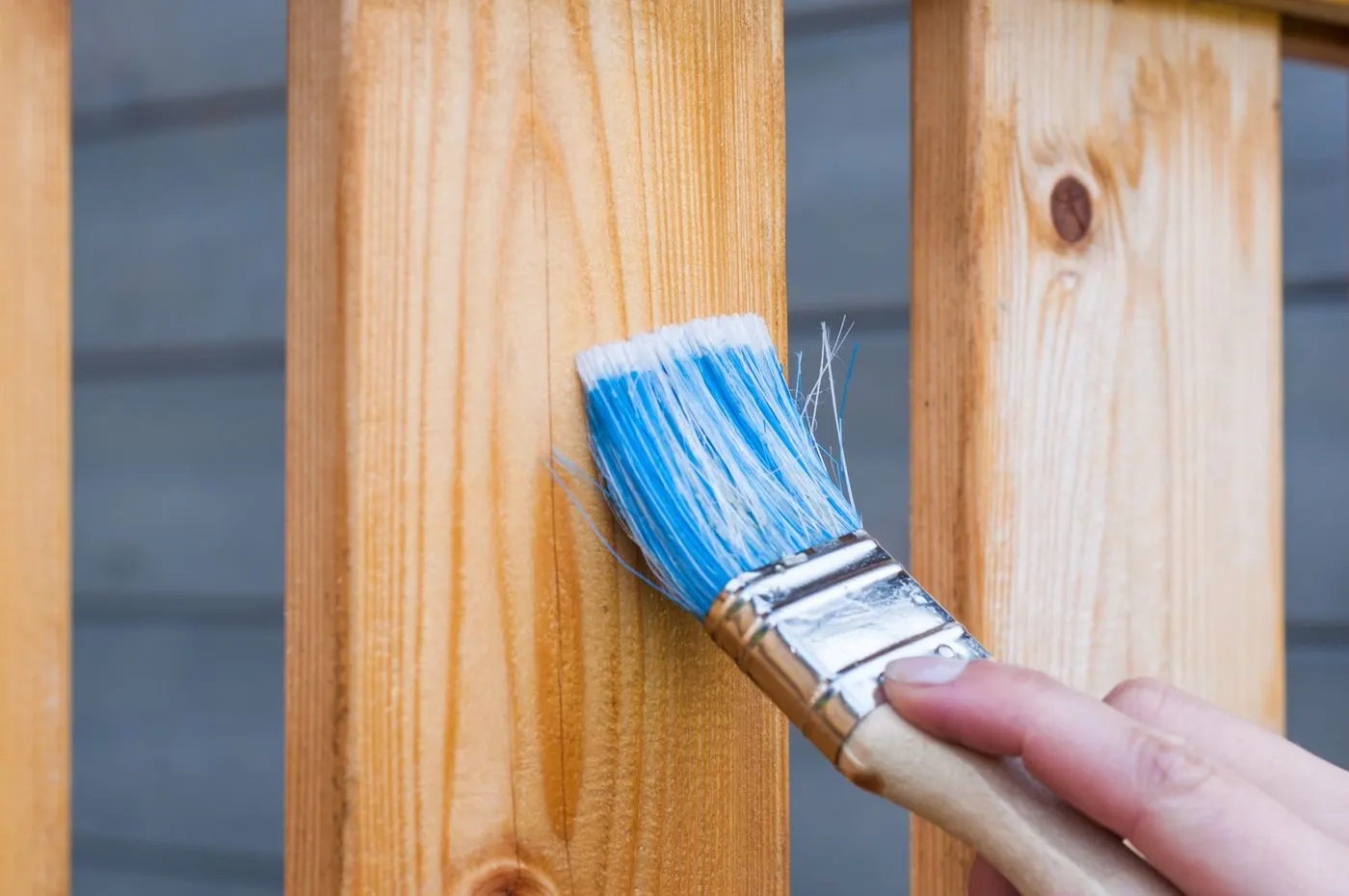
Deck and fence staining
Clean and stain decks, porches, rails and fences.

Wallpaper removal
Strip old paper and prepare walls for paint.
Trim and siding painting
Sills, sashes, brackets, fascia and siding sections.