Old plaster and new paint
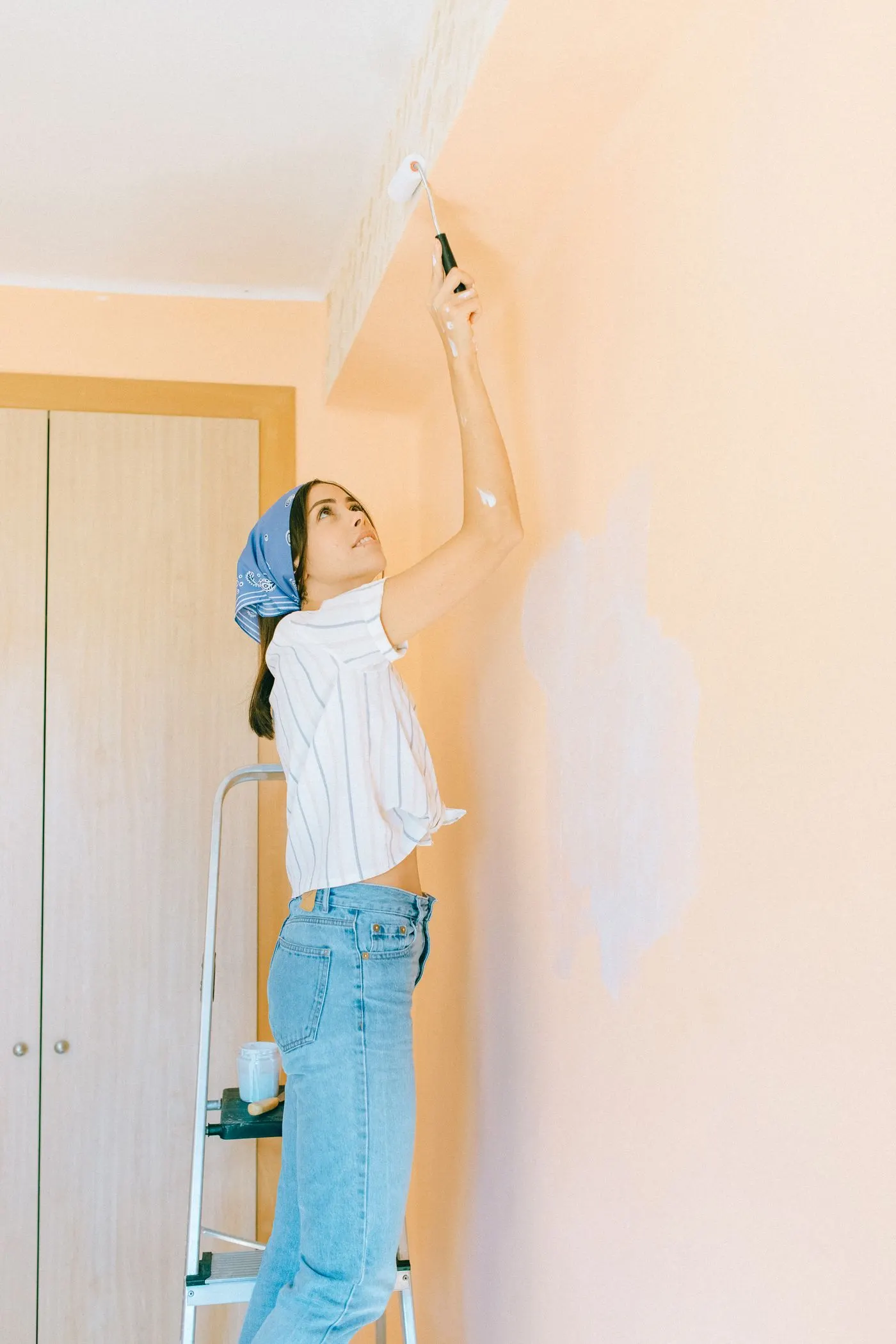
Many older homes in the village have plaster walls and ceilings. Plaster is durable and takes paint well, but over decades it develops cracks and sometimes loose areas. Painters typically open and fill cracks, secure small loose sections, sand and spot prime before painting. Large areas of loose plaster may need a plaster specialist first.
Layered trim
Old baseboards, door casings and window trim may carry many coats of paint, often including oil-based layers. New latex paint needs a bonding primer to stick to old oil paint. In homes built before 1978, sanding that trim falls under federal lead-safe rules, so ask how the painter will contain dust.
- Walls and ceilings, room by room
- Baseboards, casings and crown molding
- Interior doors and stair railings
- Plaster crack repair and patching
- Closets and built-in shelves on request
How a typical job runs
Painters cover floors and furniture, remove switch plates, make repairs and prime, then cut in by brush and roll walls and ceilings. Trim and doors usually go last with a harder finish. Most work a few rooms at a time so the household can keep using the rest of the house.
Finishes for each room
Flat ceilings hide flaws. Matte and eggshell walls suit living rooms and bedrooms. Satin holds up in halls and kids' rooms. Semi-gloss is common on trim and doors. Your painter can recommend a combination for your house.
Comparing estimates
Give each painter the same list of rooms and surfaces, and note cracks, stains or color changes. That way the estimates cover the same work and the differences mean something.
Preparing your rooms
You can help the job go faster. Take down art and curtains, clear shelves and move small furniture out of the room if you can. Decide on colors ahead of time and tell the painter about any rooms that must stay usable, such as a home office or a nursery. Ask how they will protect wood floors and stair treads, which are common in older homes in the village and easy to scuff.
Typical interior painting costs
Published ranges from This Old House.
| Room or surface | Typical range |
|---|---|
| Half bath (about 20 sq ft) | $50 to $150 |
| Primary bathroom (about 70 sq ft) | $350 to $650 |
| Kitchen walls | $200 to $750 |
| Dining room | $600 to $1,000 |
| Closets and pantries | $50 to $150 |
| Trim, per linear ft | $1 to $3 |
National ranges from the published sources below, shown as a guide only. They are not quotes, and older homes in the lower Hudson Valley often cost more to paint.
Questions homeowners ask
Why do cracks come back after painting?
Plaster moves with the seasons. Cracks that keep returning may need mesh tape or a flexible filler. Ask the painter how they handle recurring cracks.
Can painters do just the trim and doors?
Yes. Trim and doors take more wear than walls, and freshening them alone can make a big difference.
How many coats do walls need?
Usually two finish coats over primed repairs. Big color changes may need a tinted primer or a third coat.
Can painters work around antique woodwork?
Yes. Many older homes have stained or natural wood trim that owners want to keep unpainted. Point those areas out during the estimate so the painter tapes and protects them, and confirm in writing which surfaces will not be painted.
Other services
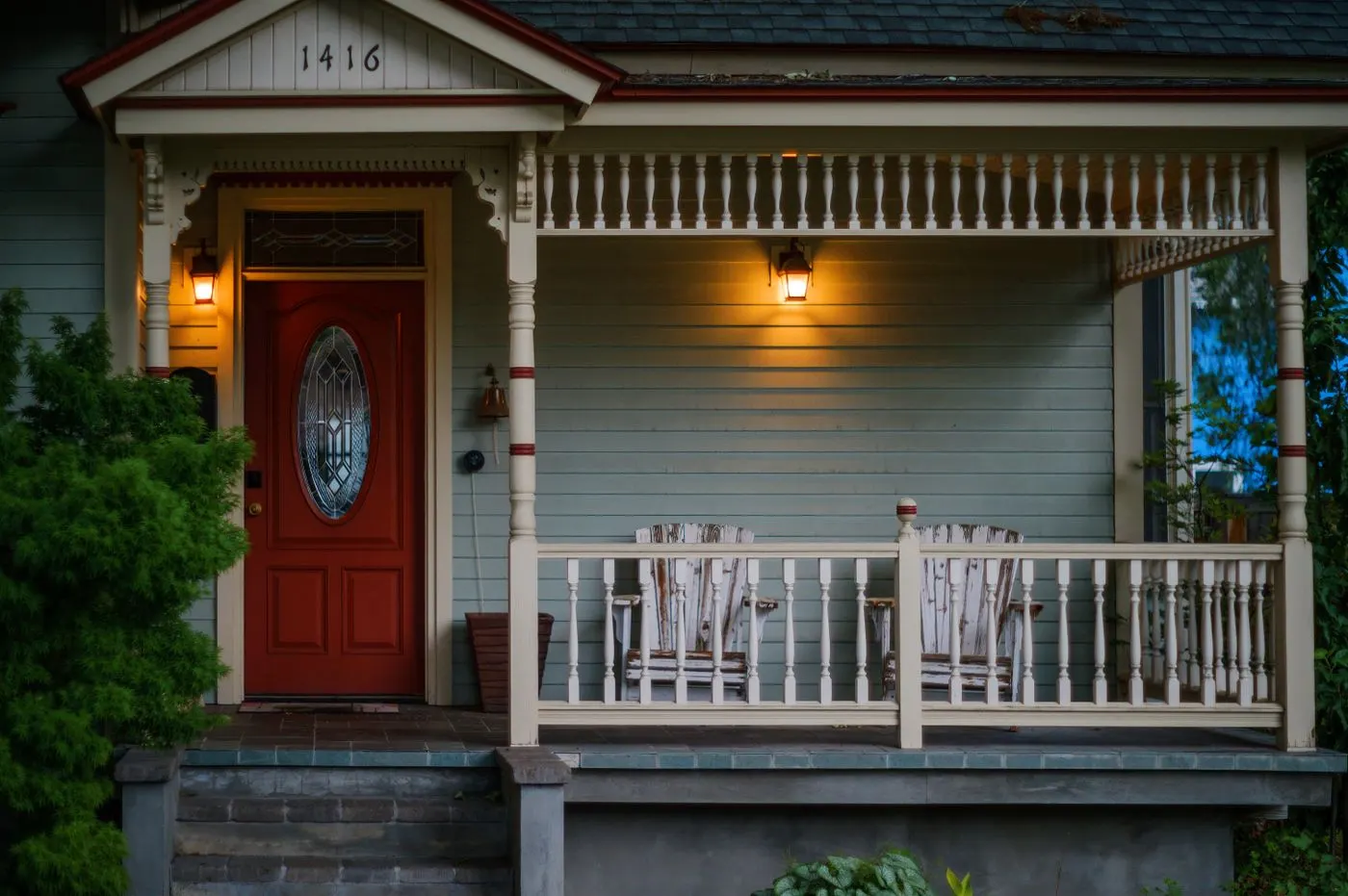
House painting
Full repaints for historic and newer homes alike.
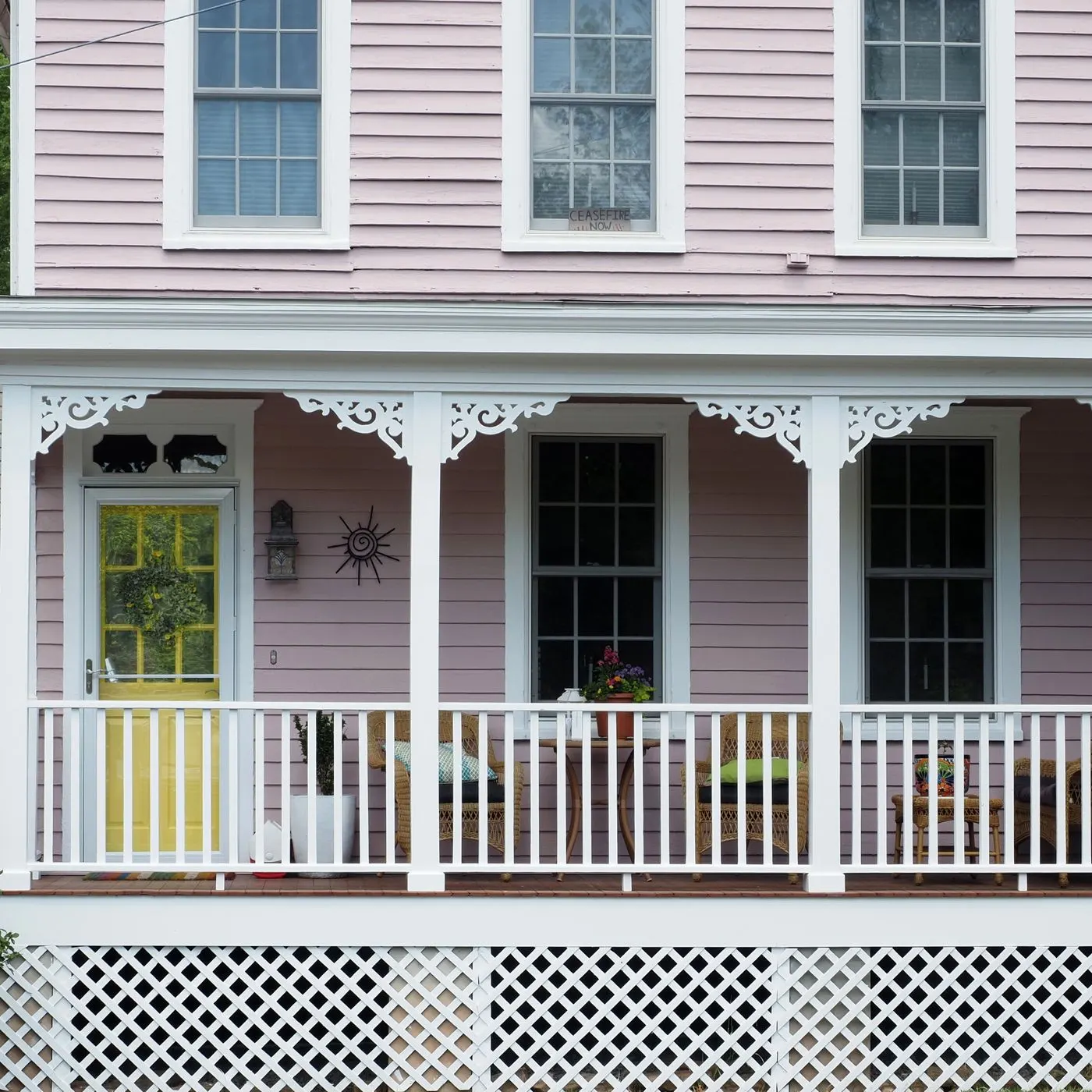
Exterior house painting
Siding, porches, sashes and trim on older homes.
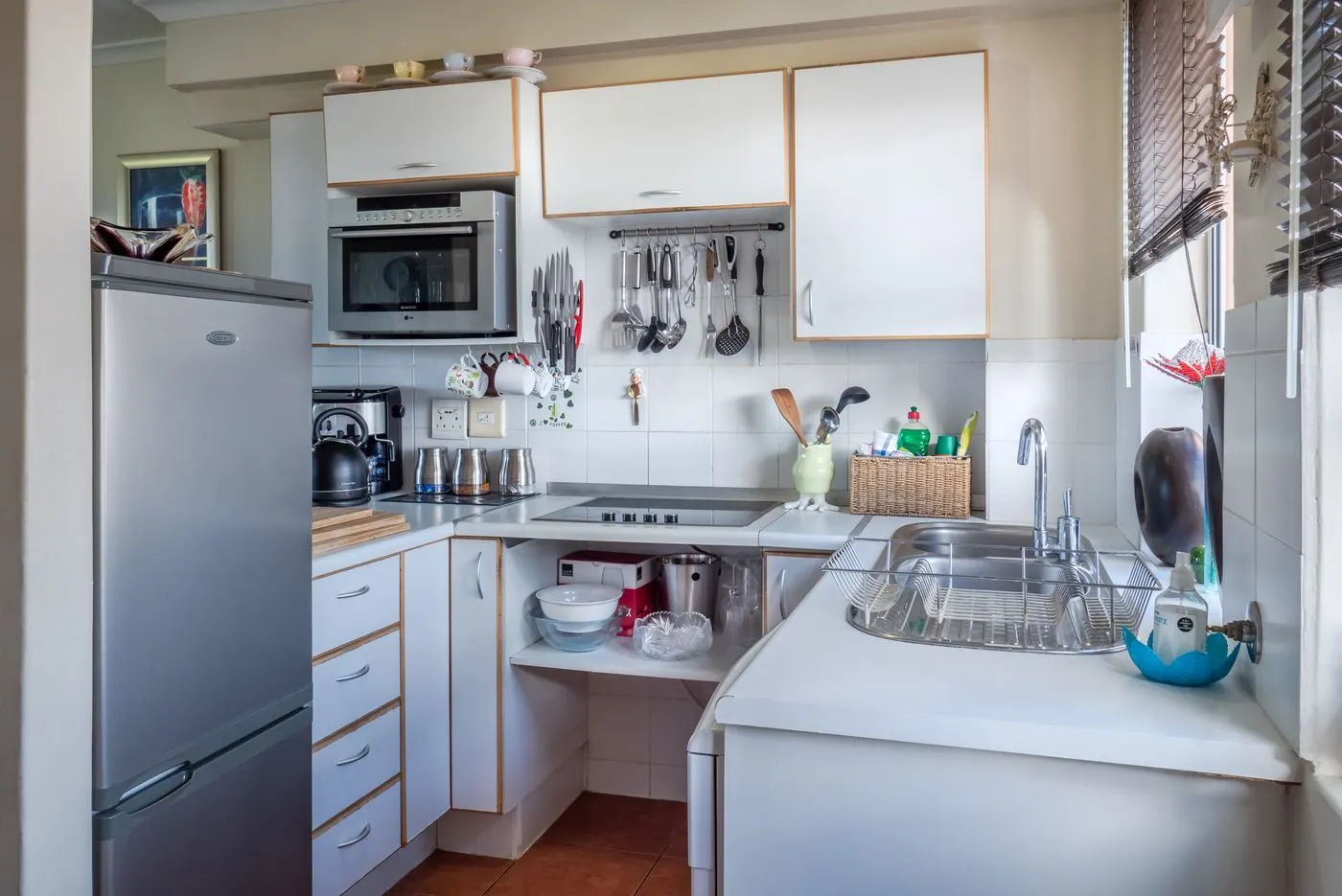
Kitchen cabinet painting
Paint solid cabinets instead of replacing them.
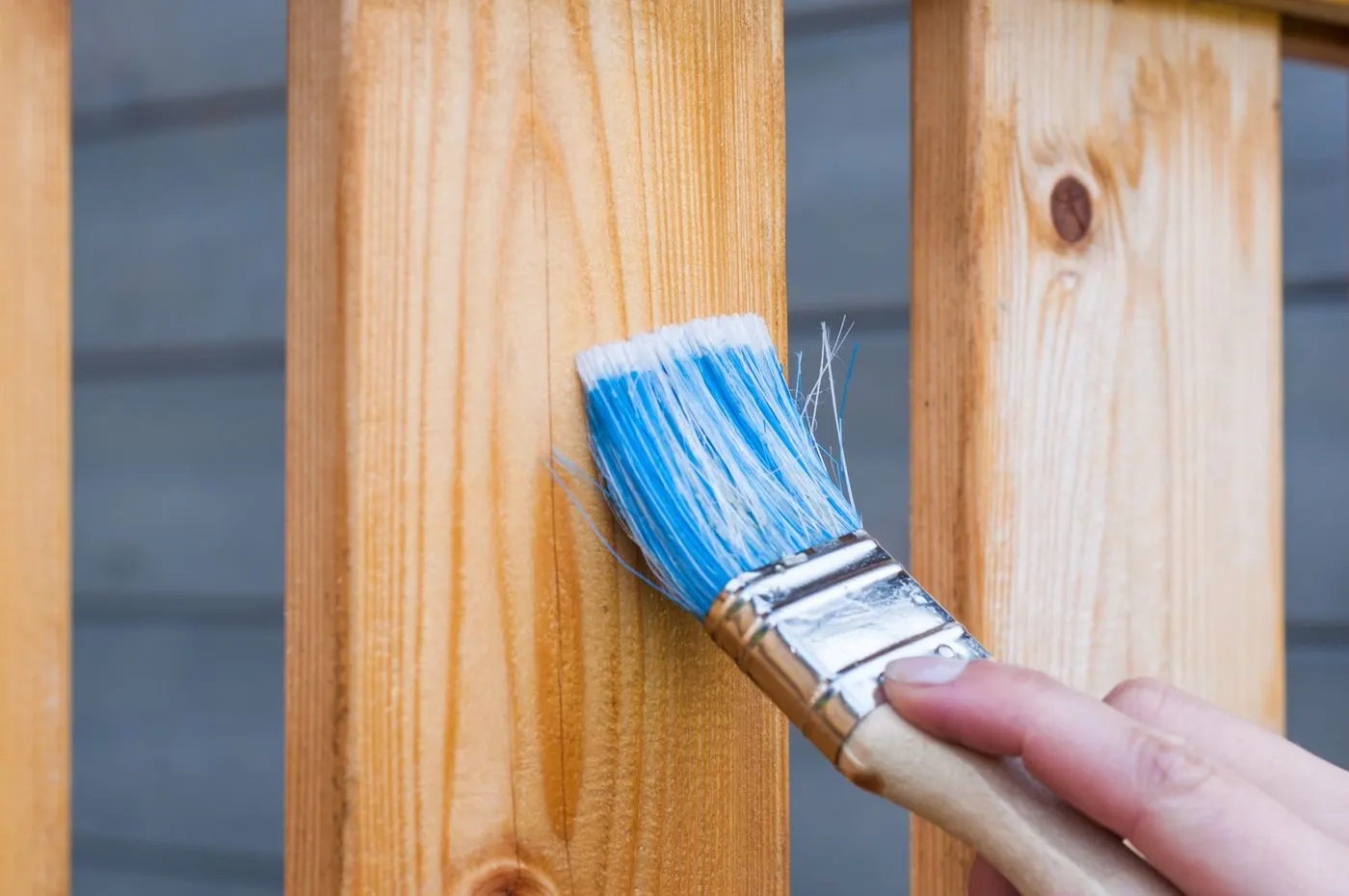
Deck and fence staining
Clean and stain decks, porches, rails and fences.
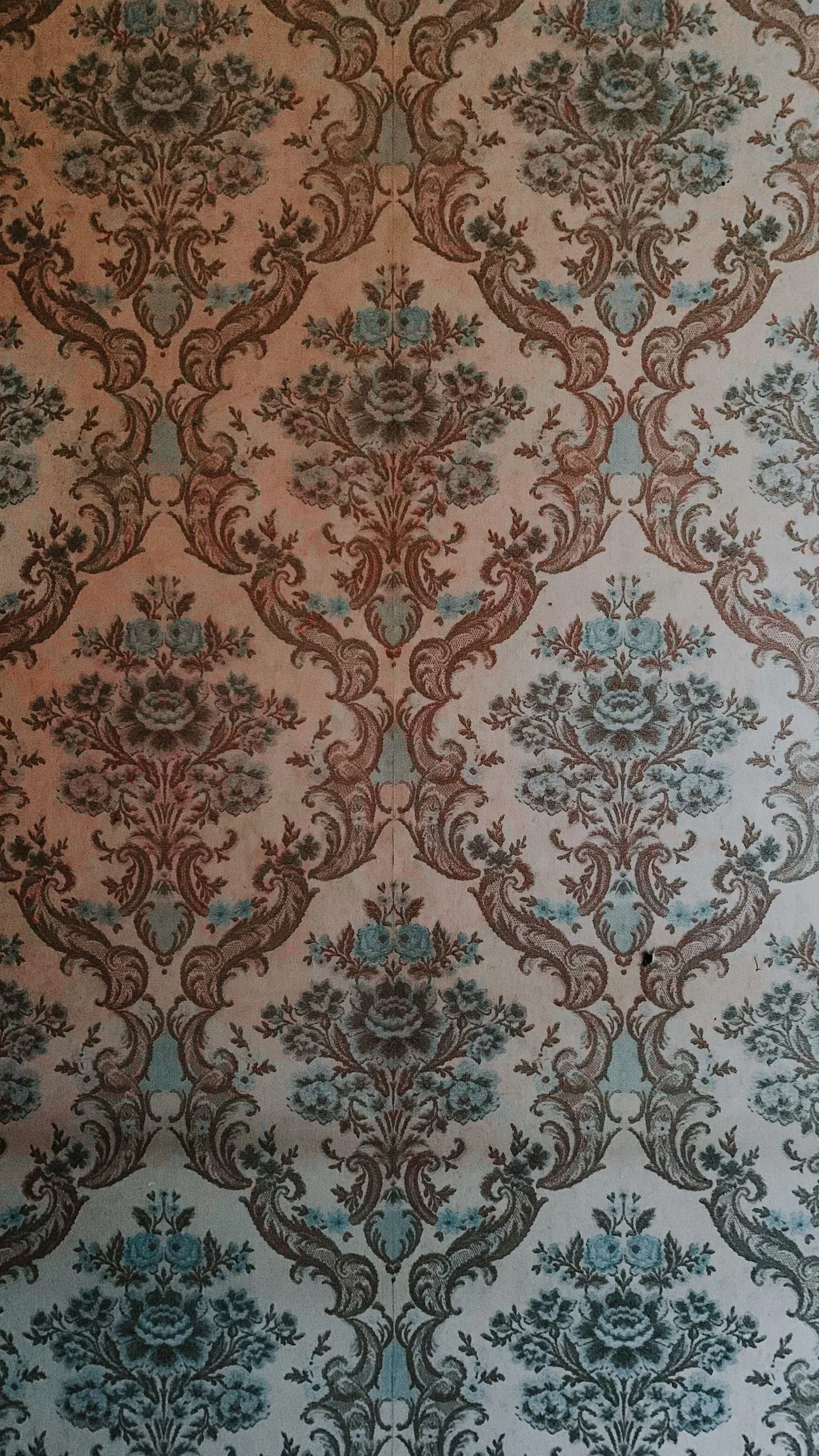
Wallpaper removal
Strip old paper and prepare walls for paint.
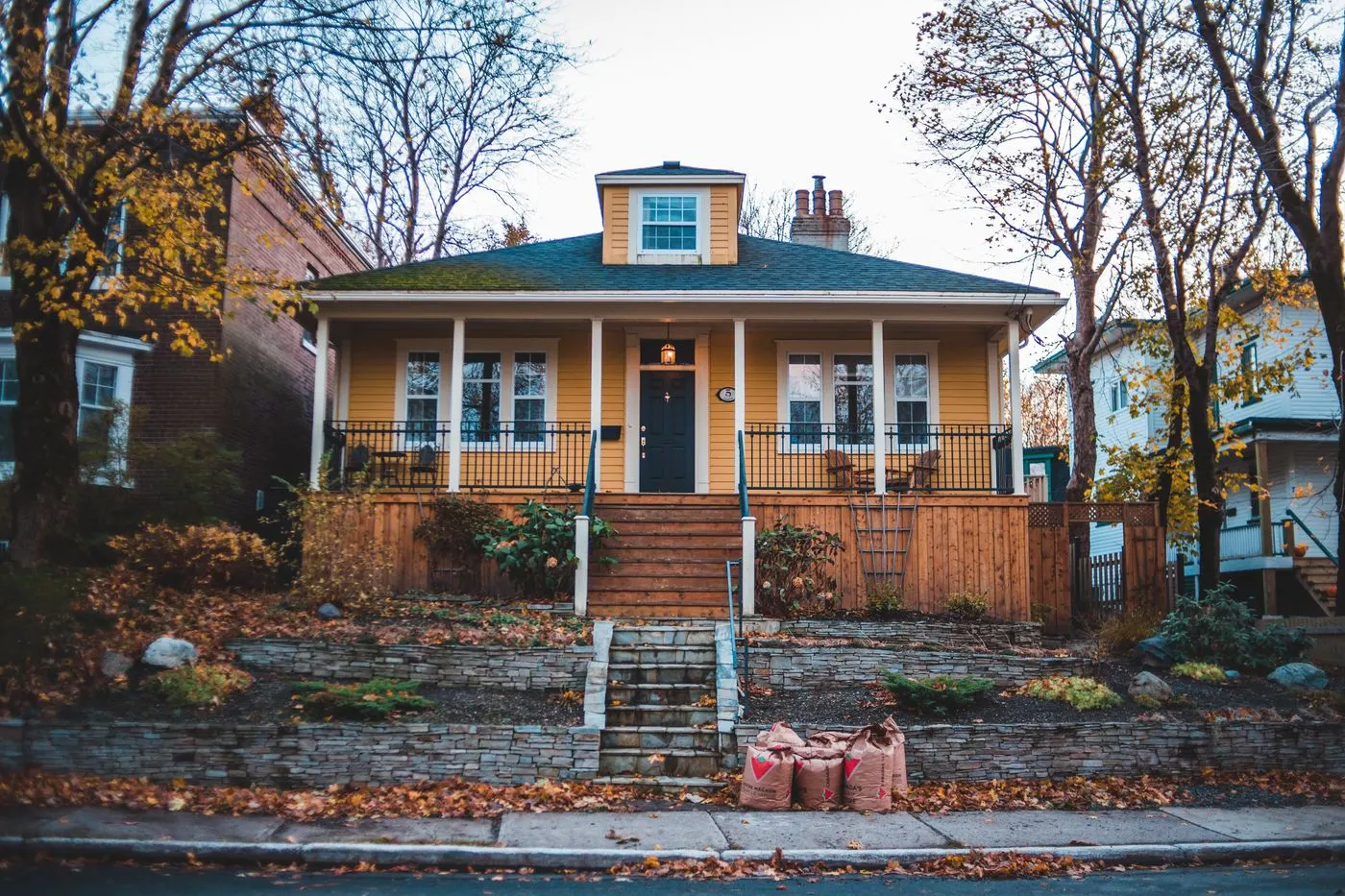
Trim and siding painting
Sills, sashes, brackets, fascia and siding sections.